
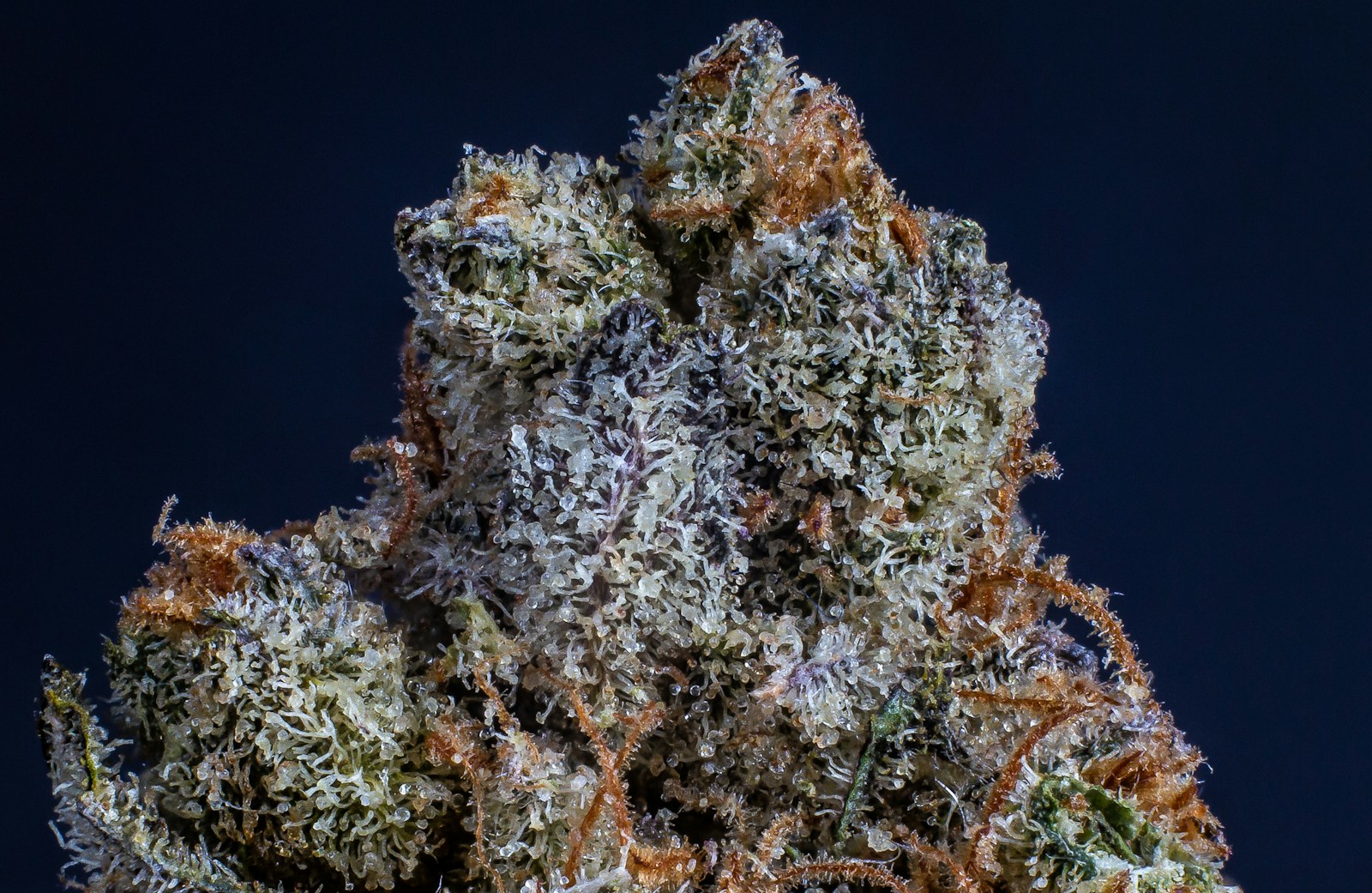
Cannabis Trichomes
Ever wonder what gives cannabis that frosty, sparkling look? Those tiny, crystal-like structures covering your buds are cannabis trichomes, and they’re way more important than you might think. These microscopic glands are where all the magic happens, producing the cannabinoids, terpenes, and flavonoids that determine potency, flavor, and effects. Understanding cannabis trichomes can help you pick better products and appreciate what makes quality cannabis truly shine.
Key Takeaways
- Cannabis trichomes are tiny glandular structures that produce cannabinoids like THC and CBD, along with terpenes and flavonoids
- Three types of trichomes exist, but capitate-stalked trichomes are the most important for potency and quality
- Trichome color and density help growers determine harvest time and help consumers identify premium cannabis
Table of Contents
- What Exactly Are Cannabis Trichomes?
- The Three Types of Cannabis Trichomes
- Why Cannabis Trichomes Matter for Your Experience
- How Trichomes Protect the Plant
- Trichomes and Cannabis Product Quality
- Reading Trichomes to Determine Quality
- Frequently Asked Questions
- What You Need to Remember
What Exactly Are Cannabis Trichomes?
Think of cannabis trichomes as tiny factories. They’re hair-like outgrowths that cover cannabis flowers, leaves, and stems, basically the plant’s resin glands.
You’ve probably noticed that sticky, frosty coating on high-quality buds. That’s trichomes doing their thing.
These structures aren’t just for show. They’re sophisticated biological systems that produce and store the compounds we care about most. Without them, cannabis wouldn’t have THC, CBD, or those amazing aromas that make each strain unique.
When you touch a fresh cannabis flower and your fingers come away sticky, you’re literally feeling the resin from broken trichomes. That resin contains concentrated cannabinoids and terpenes, the good stuff that creates your cannabis experience.
The Three Types of Cannabis Trichomes
Not all trichomes are created equal. There are actually three distinct types, and understanding them helps you know what to look for.
Bulbous Trichomes
These are the smallest trichomes, so tiny you can’t see them without serious magnification. They’re scattered across the entire plant surface but don’t produce much in terms of cannabinoids. Think of them as the plant’s basic protective coating.
Capitate-Sessile Trichomes
These are medium-sized with a mushroom-like appearance but no stalk. They produce some cannabinoids and terpenes, but they’re not the heavy hitters. You’ll find them mostly on the underside of leaves and along stems.
Capitate-Stalked Trichomes
Here’s where the real action happens. These are the largest trichomes, the ones you can actually see creating that frosty appearance. They have a distinct stalk topped with a bulbous head that’s packed with cannabinoids and terpenes.
When you’re looking at quality cannabis, you’re really looking at the density and condition of these capitate-stalked trichomes. They’re the VIPs of the trichome world.
Why Cannabis Trichomes Matter for Your Experience
Want to know if you’re getting quality cannabis? Look at the trichomes.
The density and maturity of trichomes directly impact everything you care about, potency, flavor, and effects. More healthy trichomes generally mean stronger, more flavorful cannabis.
Here’s something important: only the glandular trichomes with stalks actually contain significant cannabinoids. So when you’re examining buds at REALEAF Cannabis Dispensary, you’re really checking out the capitate-stalked trichomes.
Trichomes also tell you about freshness. Intact, sparkling trichomes indicate proper handling and storage. If they’ve been knocked off or look damaged, that cannabis has been roughly handled, and you’ve literally lost some of the good stuff.
| Trichome Color | Cannabinoid Profile | Expected Effects |
|---|---|---|
| Clear | Lower THC, still developing | More energetic, less potent |
| Milky/Cloudy | Peak THC levels | Maximum potency, balanced effects |
| Amber | THC converting to CBN | More relaxing, sedative effects |
How Trichomes Protect the Plant
Cannabis trichomes aren’t just there for us, they evolved to help the plant survive.
These structures act as a first line of defense against environmental stresses. The sticky resin deters insects and small animals that might otherwise munch on the plant. Ever touch a really resinous bud and find your fingers stuck together? Imagine being a tiny bug dealing with that.
Trichomes also help protect against UV light damage. They reflect harmful rays away from sensitive plant tissue, kind of like natural sunscreen. That’s especially important in Saskatchewan, where summer sun can be intense.
Temperature regulation is another benefit. The trichome coating can help reduce water loss and keep the plant from overheating. They’re basically multi-functional survival tools that happen to produce compounds we find incredibly useful.
Trichomes and Cannabis Product Quality
If you’ve ever used concentrates, kief, or hash, you’ve consumed isolated trichomes.
That’s because extraction processes are designed to separate trichomes from plant material. The goal is to collect those resin-filled glandular heads while leaving behind leaves, stems, and other stuff you don’t want.
Quality extracts start with quality trichomes. Larger, mature capitate-stalked trichomes yield cleaner, more potent concentrates. When trichomes are damaged or contaminated with too much plant material, the final product suffers.
This is why growers obsess over trichome development. They’re not just growing cannabis flowers, they’re cultivating millions of tiny cannabinoid and terpene factories. The healthier and more abundant those factories, the better the final product.
Reading Trichomes to Determine Quality
Growers use trichomes as nature’s harvest timer, but you can use them as a quality indicator too.
Clear trichomes mean the plant was harvested too early, before cannabinoids fully developed. Milky or cloudy trichomes signal peak ripeness, when THC levels are at their highest. Amber trichomes indicate the THC is starting to degrade into CBN, which produces more sedative effects.
When you’re shopping for cannabis, look for:
- Dense trichome coverage across the entire flower
- Intact trichome heads (not broken or missing)
- A frosty, crystalline appearance under good lighting
- Sticky texture that indicates fresh, resinous trichomes
Don’t just go by appearance though. Some strains naturally produce fewer visible trichomes but still pack serious potency. Lab testing gives you the real cannabinoid numbers, but healthy trichomes are always a good sign.
Frequently Asked Questions
Can you see cannabis trichomes without a microscope?
Yes! Capitate-stalked trichomes are visible to the naked eye as that frosty, sparkly coating on cannabis flowers. For detailed examination of color and structure, a basic jeweler’s loupe or smartphone macro lens works great. You’ll see way more detail than you expected.
Do all cannabis strains produce the same amount of trichomes?
Not at all. Trichome production varies significantly between strains based on genetics, growing conditions, and cultivation practices. Some strains are naturally frostier than others. However, trichome density doesn’t always correlate perfectly with potency, lab testing is the only way to know exact cannabinoid levels.
What happens to trichomes when cannabis is stored improperly?
Poor storage degrades trichomes quickly. Heat, light, and air exposure cause cannabinoids to break down and terpenes to evaporate. Physical handling can knock trichomes off entirely. That’s why proper storage in airtight containers away from light and heat is so important for maintaining quality over time.
What You Need to Remember
Cannabis trichomes are way more than just pretty crystals on your buds. They’re the reason cannabis has any effects at all, producing the cannabinoids and terpenes that make each strain unique.
Understanding trichomes helps you make smarter choices. You’ll know what to look for when selecting products, why proper handling matters, and how to tell if you’re getting quality cannabis.
Next time you pick up some flower, take a closer look at those tiny structures. Those microscopic glands represent millions of years of plant evolution and thousands of years of human cultivation, all working together to create the cannabis experience you’re after.
Whether you’re new to cannabis or you’ve been enjoying it for years, appreciating trichomes gives you a deeper connection to the plant and what makes it special.
DISCLAIMER
Prior to using any cannabis product, it is strongly recommended that consumers seek guidance from a qualified healthcare professional. Cannabis can have various effects on individual health, and a healthcare provider can provide personalized advice, especially if you have underlying medical conditions or are currently taking medications. Their expertise can help you make informed decisions regarding the use, dosage, and potential interactions associated with cannabis consumption, ensuring your safety and well-being.


